
Anúncios
Could virtual reality games be the answer to easing arthritis pain and improving joint mobility? New tech has brought virtual reality arthritis rehab games into the picture. These games are changing the game in arthritis treatment, offering hope for those with chronic pain.
These games are not just fun; they’re a serious way to tackle pain and boost joint movement. Experts like Bryan D. Vargo from the American College of Rheumatology agree. They see these games as a big step forward in managing pain effectively.
Anúncios
Understanding Arthritis and Its Impact on Daily Life
Arthritis is a common joint condition that causes inflammation, stiffness, and chronic pain. It makes everyday activities hard, affecting how we move and our joint health. It’s especially common among the elderly, with over 60% of those 65 and older having osteoarthritis.
As the world’s population gets older, more people will have arthritis. This will lead to more healthcare needs. Chronic pain from arthritis can make it hard to move and do simple things. It can also lower the quality of life.
People with arthritis often struggle to stay independent and join in social activities. It’s important for them and their families to find ways to manage this condition. Learning about joint health and rehabilitation options can help them cope better.
Anúncios

What is Virtual Reality (VR)?
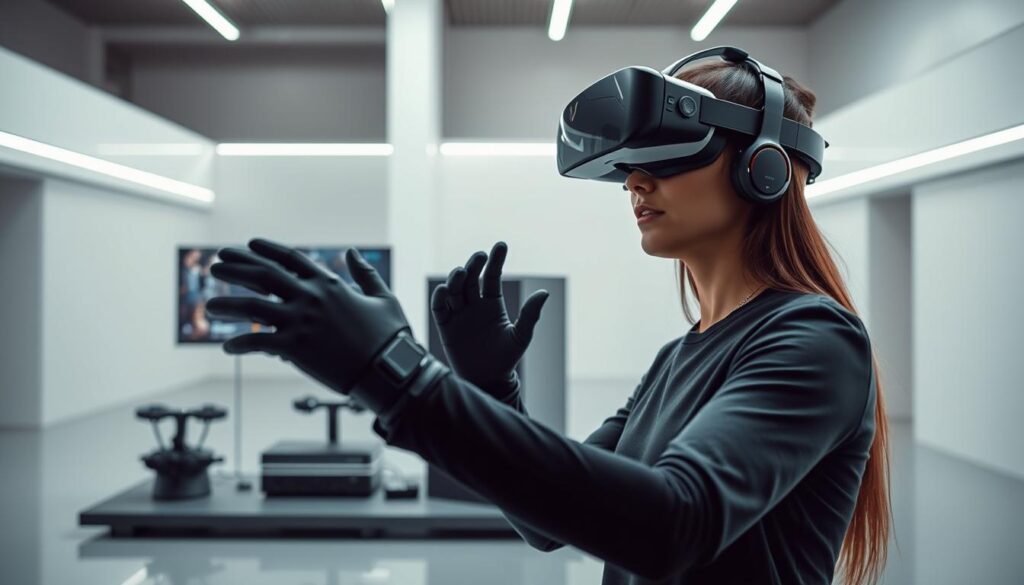
Virtual reality technology creates a computer-generated world that feels real or imagined. It lets users dive into a three-dimensional space. Here, they can touch and interact with things around them.
The experience of virtual reality changes a lot depending on the system. Some systems, like screens, offer basic interaction. But head-mounted displays give a deep sense of being in a digital world.
VR includes both hardware and software to make this experience possible. High-quality visuals, sound, and feedback make it even more real. This makes virtual reality great for therapy and helping people with conditions like arthritis.
The Science Behind VR and Pain Management
Virtual reality (VR) is changing how we manage pain. It uses special VR therapy methods to tackle chronic pain. Scientists have found that VR’s distraction and emotional connection can lessen pain feelings.
Distraction is key in managing pain. VR takes users to a virtual world, pulling their focus from pain. Studies show that engaging VR content can make pain feel less intense. This shows how important it is to keep patients interested and distracted from pain.
Emotional connection also boosts VR’s pain management benefits. Feeling happy or calm through VR stories or games can reduce pain. This emotional bond not only makes the experience better but also helps the body fight pain naturally.
Studies from many places show VR can be as good as medicine for pain. As VR gets better, it will play a big role in managing pain. It offers a calm, fun, and engaging space for pain relief.
Benefits of VR in Arthritis Rehabilitation
Virtual Reality (VR) offers many VR benefits in arthritis rehab. It creates an engaging space for patients to take part in exercises. This makes them focus less on pain and more on the virtual world.
VR helps improve mobility too. It lets patients practice movements in a safe way. This makes rehab feel like fun activities, not chores. Players do better when they’re motivated by challenges.
VR also helps with pain relief and emotional well-being. Patients feel happy and accomplished after VR exercises. This shows how important the mind is in recovery.
VR’s game-like features also boost motivation. Patients stick to their therapy plans more. This leads to better joint function and a better life quality.
VR Arthritis Rehab Games for Pain and Mobility
Virtual reality (VR) games are now used in arthritis rehab. They help reduce pain and improve mobility. These games are fun and tailored to meet user needs, making rehab more enjoyable.
Overview of Popular VR Games
Many VR games are made for people with arthritis. They offer activities that help improve mobility. For example, “Beat Saber” is a game that challenges players to move their arms and body to the beat.
“Holobuilder” lets players build and move virtual objects. This game encourages hand and arm movement. These games make rehab fun and meet the needs of arthritis patients.
How VR Games Enhance Pain Reduction
VR games help reduce pain by distracting and engaging players. Players get so caught up in the game that they forget about their pain. Studies show this distraction lowers pain levels.
Games that require movement help players exercise more. This is good for joint health. The fun and therapy in these games are a big step forward in treating arthritis.
The Mechanisms of VR Therapy
VR therapy is a new way to manage pain, especially for arthritis. It uses virtual reality to change how patients feel pain. This makes therapy more engaging and effective.
Distraction: A Key Component
VR therapy works by distracting patients from their pain. It takes them to exciting virtual worlds. This makes them forget their pain and enjoy therapy more.
Research shows VR helps manage pain better. It makes rehab more fun and less painful.
Sensory Environmental Engagement
VR therapy engages patients’ senses deeply. It’s not just about what they see. It affects their emotions and changes how they feel pain.
The more they feel part of the virtual world, the better VR therapy works. It helps reduce pain and improve recovery.
Research Evidence Supporting VR for Arthritis
Recent studies on VR for arthritis treatment show great promise. They found that VR can help reduce pain and improve joint movement. This makes VR a valuable addition to traditional arthritis treatments.
Reviews of VR in arthritis treatment highlight its benefits, especially for knee osteoarthritis. A large study found that VR therapy lowered pain levels. It also encouraged more physical activity, which is crucial for healing.
These findings are changing how we view VR in arthritis care. They lay the groundwork for using VR more widely in rehabilitation. This could lead to even better treatments for arthritis in the future.
Integrating VR with Traditional Rehabilitation Methods
VR is changing how we treat arthritis. It combines new tech with old-school physical therapy. This mix makes rehab more fun and personal for patients.
Therapists use VR to make exercises feel like games. This makes patients more excited to do their rehab. They get to explore cool virtual worlds while working on their pain and mobility.
Physical therapists are using VR with things like manual therapy and exercises. Studies show it’s making patients do better. Patients seem to enjoy their rehab more because it’s more interesting.
VR and old-school rehab together are a big step forward. The field is always looking for new ways to use tech in therapy. This helps patients get better faster and feel better too.
Patient Experiences with VR Rehabilitation
Patient feedback shows a big change in how we treat arthritis. Many say they enjoy using virtual worlds, which makes them want to do their rehab. VR makes them feel less pain, and they see it as a big help in their healing.
People really like the new way VR treats them. It turns rehab into fun games that help them move better. This makes them more likely to stick with their treatment and feel good about getting better.
VR also helps with feelings and mind. It makes people feel less alone and more connected to their care. Stories from many people show that VR is more than just therapy. It really improves life for those with arthritis.
VR System Considerations for Treatment
Using virtual reality (VR) for arthritis treatment involves many important factors. These factors help make sure the treatment works well. They include choosing the right equipment, making sure it works well, and making it easy for patients to use.
This is especially true for older patients. They might need different things to help them get better.
Choosing the Right Equipment
Choosing the right equipment is key for rehabilitation. Important things to think about are:
- The level of immersion offered by the VR system, which can influence the effectiveness of pain management.
- Specifications such as affordability and compatibility with the specific goals of rehabilitation.
- Technological support provided by the system, ensuring it meets patients’ unique requirements.
Healthcare providers can make better choices by looking at these points. This helps make VR therapy more effective for patients.
User-Friendly Interfaces
Designing interfaces that are easy to use is very important, especially for older adults. Good interfaces should have:
- Intuitive navigation that makes it easy for users.
- Clear instructions and prompts to help users understand and stay engaged.
- Adjustable settings for different levels of tech skill.
Adding these features to VR systems can really help patients. It makes them happier and more successful in their therapy. This leads to a better experience for everyone.
Challenges of Implementing VR in Clinical Settings
Using VR in healthcare comes with its own set of challenges. Doctors and nurses face many hurdles to make VR work well in treatment plans. It’s key to tackle these issues to get the best results for patients with arthritis.
Adverse Effects and Safety Considerations
VR can cause dizziness and nausea, which might make patients uncomfortable. It’s important for healthcare teams to watch patients closely. They need to spot any problems and find ways to fix them.
Setting up VR therapy also has its own set of challenges. Doctors need training to use VR safely and effectively. Hospitals must be ready to invest in VR systems and training for staff.
Getting patients to accept VR therapy is also a big challenge. Talking clearly about VR’s benefits can help. Building trust and making patients feel at ease is crucial for successful use in treatment plans.
The Role of Therapists in VR Rehabilitation
Virtual reality (VR) is changing how we treat arthritis. Therapists are key in making VR therapy work. They know how to use VR to meet each patient’s needs.
Therapists need to understand VR well. They help patients use it in a way that helps them. This makes therapy more fun and effective.
Therapists also keep patients motivated. VR makes therapy fun, which helps patients stay engaged. This leads to better pain management and mobility.
Therapists watch how patients do and change plans if needed. This keeps therapy effective and on track. Their support is crucial for VR’s success in treating arthritis.
Future Trends in VR for Arthritis Treatment
The future of VR therapy in arthritis treatment looks bright. New technologies and methods are on the horizon. VR is becoming a key part of treatment plans, making therapy more fun and effective.
Arthritis treatment is moving towards personalized care. Soon, VR experiences will be tailored to each patient’s needs. This could lead to better results. Studies are underway to prove VR’s worth in therapy.
Software and hardware improvements will make VR easier to use. This will help more people get involved. The future of VR therapy is promising, with more people benefiting from it.
Real-Life Case Studies and Success Stories
Many case studies show how VR therapy helps people with arthritis. One patient saw big improvements in their joint movement after VR sessions. They could do exercises that hurt in real life but felt safe in VR.
People share their success stories, saying VR games keep them going during recovery. A group of patients did a VR program for arthritis. They felt less pain and were happier. The mix of fun and therapy made them keep coming back.
VR therapy works differently for everyone. Some see big changes fast, while others notice it slowly. But every story shows VR’s power in fighting arthritis. These stories show VR makes rehab easier and more empowering for patients.
Potential Barriers to Adoption of VR Therapy
VR therapy for arthritis treatment has several barriers. The main issue is the high cost of the equipment. High-quality VR systems are pricey, making them hard for many to access.
Another problem is the lack of support from institutions. This often means little investment in new technologies.
There are also challenges beyond money. Therapists need training to use VR, but many feel they’re not ready. This can slow down the use of VR in treatment.
Some patients are hesitant to try new tech. They might stick to what they know and feel safe with. This makes it hard to add VR therapy to usual treatments, even when research shows it works.
To overcome these issues, we need to educate everyone. We should show how VR can help with arthritis. By sharing research and success stories, we can build trust and encourage more use of VR therapy.
Patient Guidance and Support for VR Programs
Virtual reality (VR) rehabilitation programs can change lives for those with arthritis. To get the most out of these programs, it’s key to have good support. This support should include many resources tailored to each patient’s needs.
It’s important to have easy-to-follow instructions for using VR technology. Clear guidelines help patients feel confident and clear about their therapy. Talking one-on-one with healthcare experts can also help. They can give personalized advice and strategies.
Support groups and online forums are great for patients to share and learn from each other. These spaces help patients stay motivated and feel less alone. Regular check-ins to see how they’re doing and adjust goals keep them on track.
Healthcare providers can make VR therapy more effective and enjoyable by focusing on support and guidance. This approach not only improves therapy results but also keeps patients involved and committed to their recovery.
Conclusion
This look into VR therapy shows its big benefits for arthritis, like less pain and better joint movement. It makes rehab fun and effective through immersive games and exercises. Even with tech challenges, VR’s positive effects are clear.
The future of VR in arthritis rehab looks bright. More research and tech advancements could make VR even better for managing pain and improving mobility. As more people see its benefits, VR therapy might become a key part of arthritis care.
As we look ahead, VR therapy could greatly improve life for those with arthritis. It’s not just about easing symptoms but also about enhancing overall well-being. This change in rehab practices encourages us to use new tech in our care routines.
FAQ
What is the role of virtual reality in arthritis rehabilitation?
Virtual reality (VR) is a new way to help people with arthritis. It uses games to make moving easier and reduce pain.
How effective is VR in pain management for arthritis patients?
Studies show VR can really help with pain. It’s as good as some medicines. It works by distracting and engaging patients.
What are the benefits of using VR games for arthritis rehabilitation?
VR games help with pain and make joints move better. They also make therapy fun. This makes patients want to keep up with their treatment.
Can you provide examples of popular VR games for arthritis rehabilitation?
There are games made just for arthritis patients. They focus on moving and keeping the mind busy. This helps with exercise and fun.
What mechanisms does VR utilize to contribute to pain management?
VR works by distracting and engaging the senses. This makes therapy more enjoyable. It helps patients forget about pain.
Are there any research findings supporting the use of VR in arthritis treatment?
Yes, research backs up VR’s benefits. It shows less pain and better function, especially for knee arthritis. VR is seen as a good addition to traditional treatments.
How can VR be integrated into traditional rehabilitation therapies?
VR can make therapy better by adding fun. It works with physical therapy to help patients more. This makes therapy more engaging and effective.
What challenges exist in implementing VR therapy in clinical settings?
Starting VR therapy can be hard. There are safety issues, setup needs, and training for staff. These are big challenges.
What considerations should be taken when selecting VR systems for therapy?
Choose VR based on how immersive it is and if it fits with therapy goals. It should be affordable and easy to use, especially for older patients.
What do patient experiences with VR rehabilitation typically involve?
Patients enjoy VR and feel less pain. They say it’s fun and motivating. This shows how VR can help in their recovery.
What are some potential barriers to the widespread adoption of VR therapy?
Starting VR therapy can be hard. Costs are high, and some people are hesitant. Training and support are also needed.
How important is guidance and support for patients using VR rehabilitation programs?
Guidance is key for VR therapy. Patients need help and support. This makes sure they use VR correctly and get the most out of it.
What are some future trends we can expect in VR for arthritis treatment?
VR will get better and more personal. It will become a common tool in therapy. As research shows its benefits, it will be used more.