Anúncios
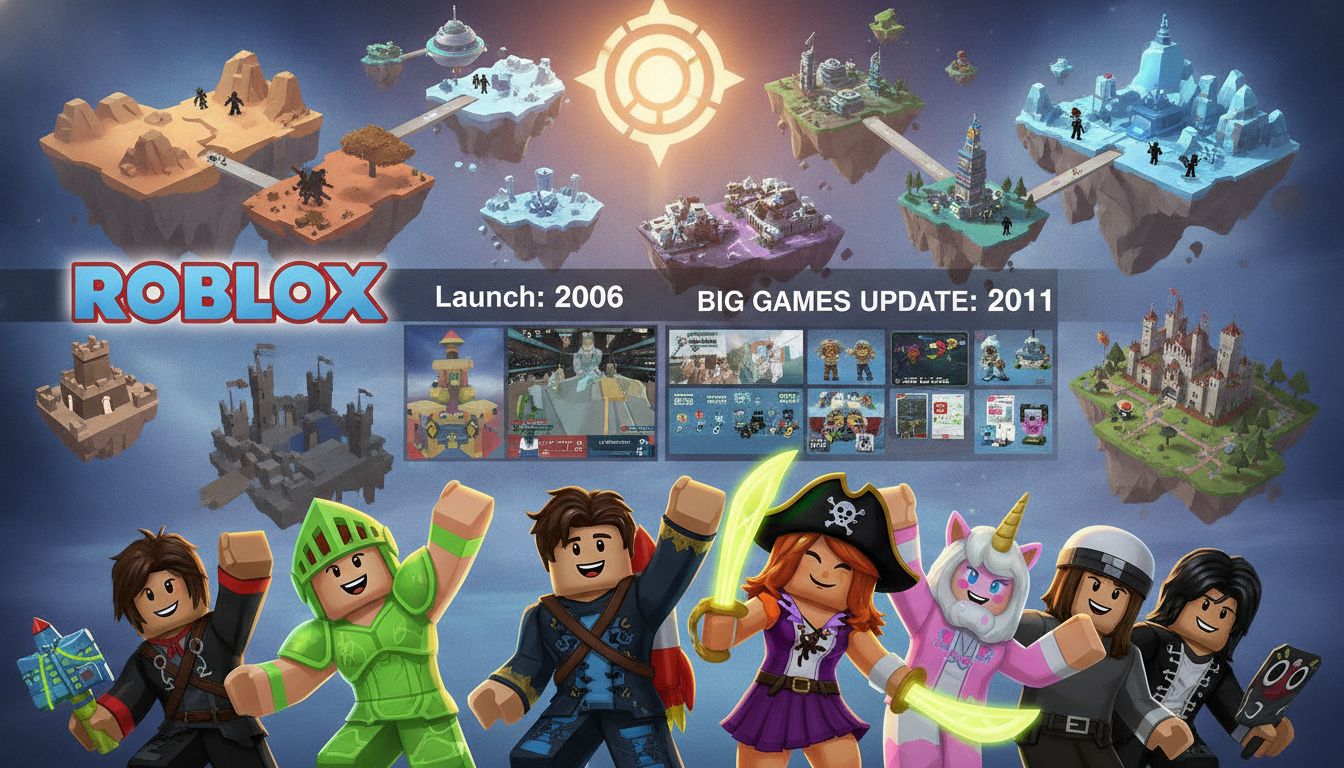
Have you ever stopped to consider how a simple concept of virtual blocks transformed into an infinite universe of creations? Many people play daily, yet few know the true origins of this digital phenomenon.
Roblox began as a modest project focused on allowing users to build their own worlds.
Anúncios
Today, we will explore how Roblox evolved from mere software into a cornerstone of modern gaming culture.
The platform’s history and early steps
Roblox
You will be redirected to another website
Roblox
The brand’s journey reveals how small changes can transform a project into a global phenomenon. The platform’s story began with a clear vision: to create an environment where imagination knew no bounds.
Anúncios
Looking back at this early period, it is evident that the visual identity and the chosen name were crucial in attracting early enthusiasts, allowing the software to stand out in a rapidly changing gaming market.
The transition to the name “Roblox”
After the testing phase, the team felt they needed a name that better reflected the software’s dynamic and fun nature.
That was when the Roblox brand emerged, solidifying an identity that would gain worldwide recognition.
This change was not merely aesthetic; it was a strategic move for the brand’s positioning. The new name had a sound that evoked innovation and digital entertainment, making it easier to connect with the audience.
The concept of physics and block-based building
The primary focus was always to let users explore physics and block-based building intuitively, enabling anyone to create entire worlds from scratch without needing advanced programming knowledge.
The creative freedom offered by these physics and building mechanics became the defining feature of the experience. By providing accessible tools, the platform transformed ordinary players into true architects of their own digital universes.
Understanding these early steps is essential to grasping how the platform established itself. The combination of a memorable name and engaging gameplay mechanics created the solid foundation that supports its current success.
The official launch and initial reception
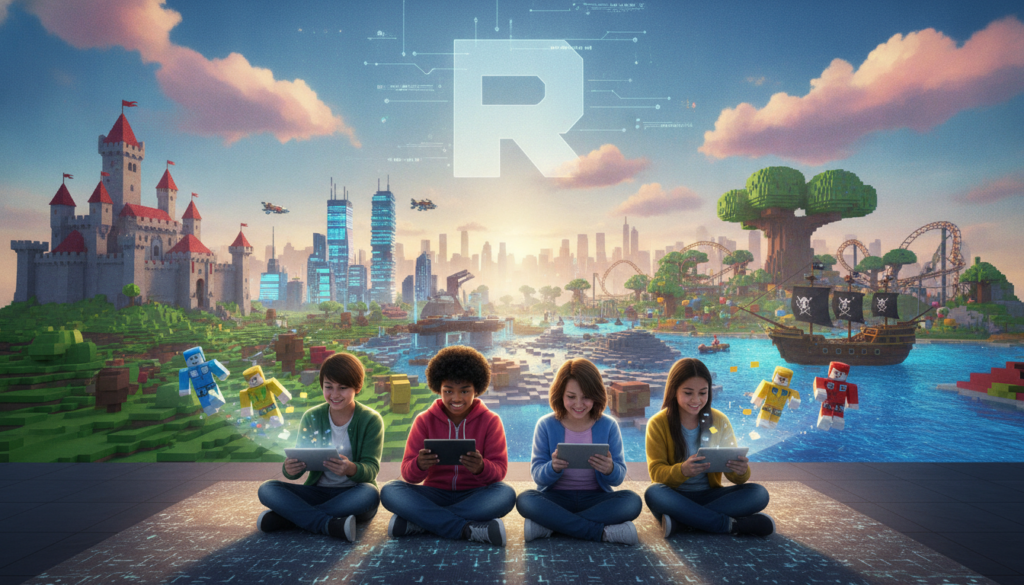
When Roblox officially opened its doors, the game creation landscape changed forever. The project evolved from a mere experimental concept into a space where anyone could share their ideas.
Public Launch in 2006
The official launch in 2006 was a pivotal moment for the community. The platform enabled creators from all over to begin exploring building tools in an intuitive way.
This openness transformed Roblox into a vibrant creative laboratory. The enthusiasm of early users helped shape the unique identity the platform retains to this day.
Early Infrastructure Challenges
Like any major innovation, the beginning was not without technical hurdles. The team had to tackle significant infrastructure challenges to maintain server stability.
Rapid audience growth demanded constant adjustments to the system architecture. Thanks to the technical team’s efforts, they ensured a smooth experience, overcoming initial difficulties to solidify the foundation of what we see today.
Technical Evolution and the Roblox Studio Engine
At the heart of the gaming experience lies a graphics engine that democratized development for millions, allowing the platform to evolve from a simple block-based environment into a comprehensive creation ecosystem.
By offering advanced features, the company ensured that the barrier to entry for new creators remained low. The result is a space where imagination dictates the rules of what can be built.
Development Tools for Everyone
Roblox Studio became the primary tool for bringing ideas to life, offering a practical interface that allows users to drag and drop objects, set up environments, and test mechanics in real time.
This ease of use is crucial for beginners learning basic game design concepts. Even without prior programming knowledge, anyone can build a functional and fun environment. The Lua programming language as a cornerstone
For those looking to create more complex experiences, the Lua language emerges as an essential component—strategically chosen for being lightweight, fast, and extremely flexible for script development.
With Lua, developers can program specific behaviors, such as inventory systems or custom physics.
The transition to the virtual economy model

The platform’s evolution reached a new level with the creation of its own virtual economy, transforming how users interact with content and allowing the digital environment to become a dynamic, self-sustaining ecosystem.
By implementing an internal financial system, the company managed to balance entertainment with real growth opportunities. This move was crucial to maintaining the engagement of millions of people around the world.
The introduction of Robux
The launch of Robux marked the beginning of a new era for the platform. As the official currency, they allowed players to purchase exclusive items, avatar accessories, and access passes for specific experiences.
This digital currency facilitated exchanges within the environment, creating a constant flow of value. With Robux, the gaming experience gained additional layers of customization and depth, making every profile unique.
The monetization system for creators
The introduction of monetization tools was the decisive step in transforming amateurs into professional developers.
By allowing creators to earn rewards for their work, the platform encouraged the production of increasingly sophisticated content.
Today, the system offers several advantages for those who choose to invest their time in creating virtual worlds:
- The opportunity to turn creative talent into a genuine source of income.
- Access to advanced tools that facilitate the development of complex games.
- Recognition within a global community of talented developers.
- Constant encouragement for technical and artistic innovation in new projects.
Expanding to mobile devices and consoles
The strategy of extending the experience beyond desktop computers was a pivotal step in the brand’s growth.
Recognizing that the audience wanted to interact with their favorite virtual worlds on the go, the company embarked on an ambitious technical adaptation process.
Arrival on iOS and Android
The decision to expand to mobile devices was a true game-changer, allowing millions of users to access the platform conveniently—whether while traveling or from the comfort of their homes.
Developing optimized apps ensured that gameplay remained fluid and user-friendly. Through this initiative, the brand managed to maintain its relevance in an increasingly fragmented and competitive market.
Integration with the Xbox ecosystem
Beyond mobility, the company sought to bring the fun to the big screens in living rooms. Integration with the Xbox ecosystem added a new layer of immersion for players who prefer using traditional controllers.
This partnership enabled the community to enjoy a high-quality experience on consoles.
The multi-platform transition solidified the brand’s presence across various technological landscapes, ensuring broad and consistent access.
Conclusion
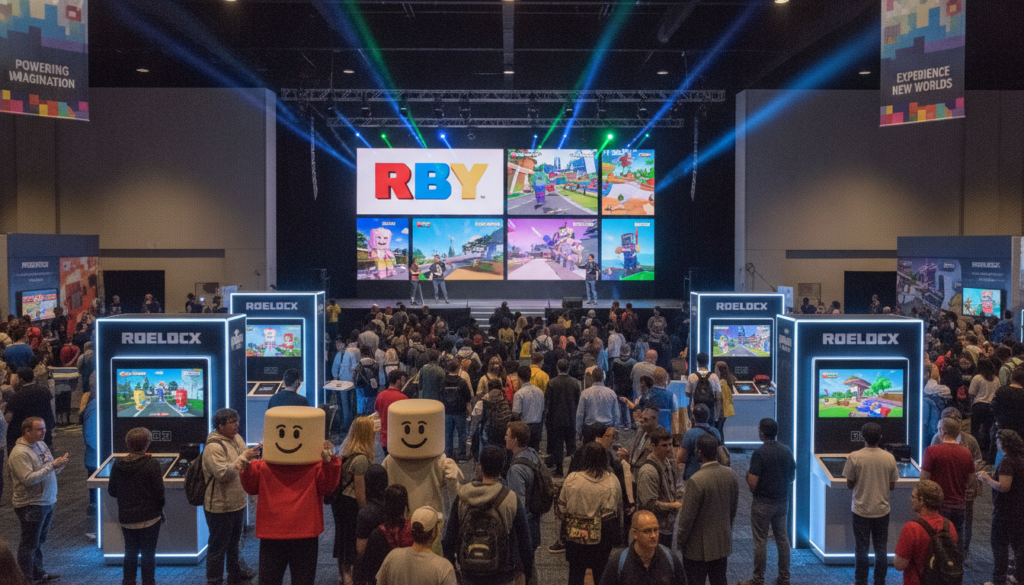
The trajectory of Roblox Corporation reveals how a simple idea can transform global entertainment. The platform’s history demonstrates that constant innovation sustains the interest of millions of daily active users.
The success achieved reflects the efforts of a community dedicated to building virtual worlds. Each developer contributes to the ongoing story of the platform, driven by creativity and new technical possibilities.
The future points toward even greater integration between the real and virtual worlds. Continuous evolution ensures that this space remains relevant for future generations of creators and players.