Anúncios
Have you ever thought about how virtual reality could change the game for elderly falls prevention? As more people get older, balance problems in seniors have become a big worry. These issues can lead to falls and injuries.
Thanks to new tech, VR games for balance are becoming a popular choice. They help improve stability and support balance training in older adults. These tools make learning fun, helping millions stay safe and healthy.
Anúncios
In this article, we’ll dive into how virtual reality can change the way we help seniors with balance issues. It’s a game-changer for those at risk of falls.
Introduction to Balance Issues Among the Elderly
Balance problems are a big issue for the elderly, making falls more likely. As more people age, it’s key to understand these issues to keep them safe. Changes like weaker muscles and bad vision make it harder to stay steady.
Many things can make balance worse for older adults. These include losing touch with body movements, becoming less flexible, and not responding well to what they see and feel. Health problems, side effects from medicines, and tricky living spaces also raise the risk of falls. It’s important to find ways to lower this risk and help the elderly stay active and independent.
Anúncios
Addressing balance issues is urgent. With the right strategies, we can improve health, cut down on falls, and make life better for the elderly.
Understanding Falls in the Elderly Population
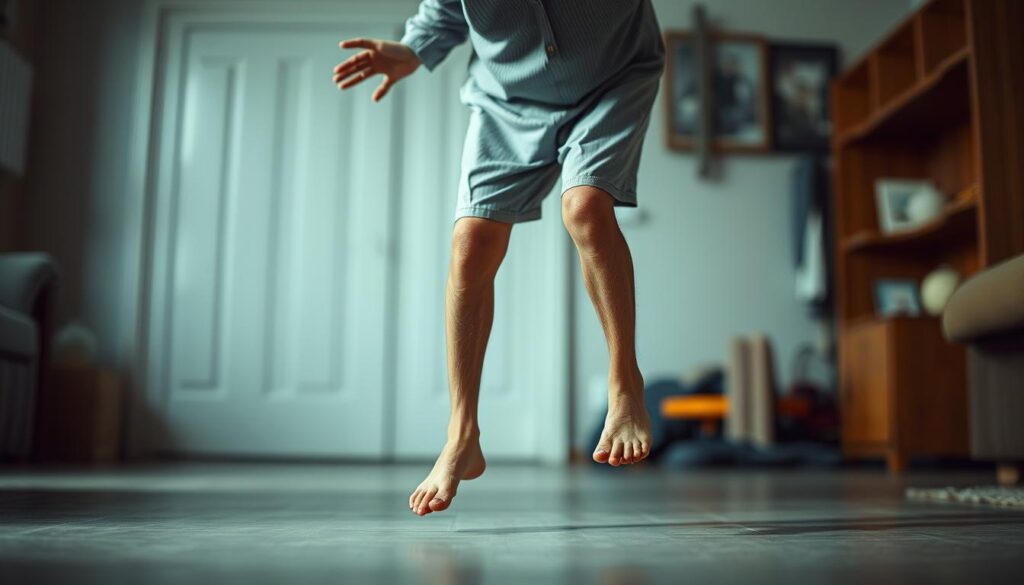
Elderly people are at a higher risk of falling, which can have serious effects. It’s crucial to tackle this issue with effective solutions and awareness. Falls statistics show that about 30% of older adults fall at least once a year. This is a big worry for families and healthcare workers.
Statistics on Falls in Older Adults
Falls among the elderly are becoming more common. Millions of seniors fall each year, leading to many hospital visits. Falls are the top cause of injuries and deaths in this age group. Emergency rooms see a lot of injuries from falls, affecting seniors and their caregivers a lot.
Consequences of Falls
Falls can cause more than just physical harm. They often lead to fractures, head injuries, and less mobility. These injuries require a lot of medical care, raising healthcare costs. The fear of falling also affects their mental health, making them less confident and independent.
The Importance of Balance Training
Balance training is key for seniors to stay healthy, especially to prevent falls. It helps improve stability and mobility. This means better physical health. Regular balance training reduces fall risks and brings many benefits for the elderly.
Benefits of Improved Balance for Seniors
Seniors gain a lot from better balance. They move more easily and feel stronger. This makes daily tasks simpler. It also helps them stay independent, a big goal for many.
Balance training also boosts mental health. Seniors feel more confident and less afraid of falling. This leads to a more active life. It also helps them connect with others and enjoy life more.
What Are Virtual Reality Games?
Virtual reality games are a big leap in gaming tech. They create virtual worlds that players can dive into. To play, you need special gear like VR headsets.
These games make you feel like you’re really there. They’re not just fun; they also get you moving and thinking. This makes them more appealing than old-school workouts.
Looking into virtual reality games means understanding what makes them special. They’re used for fun and even to help the elderly. They offer a fun way to exercise, making them a key part of balance training for seniors.
VR Games for Balance Improvement in Elderly Fall Risk
Virtual reality (VR) games are a new way to help seniors improve their balance. They offer a variety of types of VR games that are fun and interactive. These games help seniors move and stay coordinated in a safe space.
This section will look at different types of VR games. We’ll also find out which ones are best for improving balance.
Types of VR Games Available
There are many types of VR games for balance training. They create virtual worlds that players can explore. These games make seniors practice their balance skills in a fun way.
Some common types include:
- Obstacle Courses: These games challenge players to navigate through various simulated obstacles, enhancing agility and coordination.
- Balance Beams: Players must maintain their footing while walking along a virtual beam, improving their stability and focus.
- Fitness Challenges: These involve a combination of physical movements requiring balance, core strength, and coordination.
Specific VR Games Targeting Balance
Some specific games are really good at improving balance. The Balance Rehabilitation Unit (BRU) offers exercises that focus on core stability and mobility. It’s perfect for seniors.
Xbox Kinect programs also offer interactive experiences. They encourage seniors to move in ways that help with balance and coordination. Players can see how they’re doing and get feedback right away. This helps them improve their balance and lowers the risk of falls.
The Science Behind VR and Balance Improvement
Virtual Reality (VR) is becoming a key tool for improving physical skills, especially for the elderly. It helps them avoid falls. VR games make balance training fun and effective, leading to real improvements.
How VR Games Enhance Physical Function
VR games are helping older adults get better physically. They offer a way to practice movements that feel like real life. This practice boosts control, strength, and coordination.
Studies show that regular VR use improves balance and mobility in the elderly.
Research Findings on VR Interventions
Many studies have looked into how VR helps with balance. They found that VR can significantly improve scores on tests like the Timed Up and Go (TUG) and the Berg Balance Scale (BBS). These tests measure how well someone moves and balances.
VR’s ability to give instant feedback makes training more effective. It helps users improve their balance skills over time.
Mechanisms of VR in Balance Training
Virtual Reality (VR) makes balance training more engaging. It offers real-time visual feedback, which is key for improving balance. Users get instant feedback on their movements, helping them understand their body’s position better.
Visual Feedback and Its Role
VR’s visual feedback lets users see their performance right away. This helps them see how their actions affect their balance. By watching their movements in a virtual space, they can adjust and improve their posture.
This leads to better balance. The visual feedback also lets people try different balancing techniques. This makes learning more effective.
Simulated Environments for Realistic Training
Simulated environments are a big part of VR balance training. They mimic real-life situations, helping the elderly practice balance in a safe way. Activities like walking on uneven surfaces or navigating crowded areas build confidence.
These experiences prepare them for real-life challenges. By practicing in a safe space, participants can improve their balance skills.
Effectiveness of VR Games in Reducing Fall Risks
Virtual reality (VR) games are now used to help the elderly improve their balance. Studies show VR games can lower fall risks by making physical activity fun and improving coordination. These games are interactive, making them enjoyable and motivating for seniors.
Studies Supporting VR Effectiveness
Many studies have shown VR training can boost balance and strength in older adults. These studies found a link between VR use and fewer falls. For example, a review of 23 trials showed VR can be better than traditional exercises in reducing fall risks.
In clinical settings, VR has led to better stability, quicker reactions, and more confidence in mobility. The fun aspects of VR, like game-like settings and feedback, encourage regular practice. This makes VR very effective in real-life situations.
Guidelines for Implementing VR Balance Training
Starting virtual reality balance training for the elderly needs careful planning. It’s important to follow guidelines to make sure it’s safe and effective. This way, the training can really help the users.
Recommended Frequency and Duration of Sessions
How often and how long to do VR balance training is key. It’s best to do it 2 to 3 times a week. Each session should be 20 to 45 minutes long.
This schedule helps improve balance without feeling too much. It makes it easier for seniors to fit it into their daily lives.
Safety Tips for Elderly Participants
Keeping seniors safe during VR training is crucial. Here are some tips:
- Supervision: Having a trained person or caregiver there helps a lot. They can offer support and help when needed.
- Personalized Training Regimens: Making the VR training fit each person’s abilities is important. It helps avoid risks for different fitness levels.
- Safe Equipment: Using VR gear that prevents falls, like harnesses or padded areas, makes it safer.
Challenges and Limitations of VR for the Elderly
Using virtual reality for balance training in the elderly comes with many challenges. It’s important to understand these obstacles to make the program work. The hurdles are not just about the tech but also how well users can stick with it.
Technical Barriers
Technical issues are a big problem for older users. Many VR systems need a good grasp of technology. The controls can be hard to use, making it tough for seniors to get into it.
Not having easy-to-use interfaces can lead to confusion. This makes it hard for them to use these new tools well.
Adherence Issues
Getting older adults to stick with VR training is another big challenge. They might be hesitant to try new tech or not find the games interesting. This can make VR games less effective for improving balance.
Keeping motivation up is key. People need to be encouraged to keep practicing the exercises.
It’s crucial to tackle these issues to make VR more appealing and accessible for older adults.
Comparative Analysis: VR Games vs. Traditional Balance Exercises
Balance training is key for the elderly to stay healthy. We need to compare VR games and traditional exercises. Both aim to improve balance and lower fall risks, but in unique ways.
Advantages of VR Games
VR games offer special benefits for the elderly. They make training fun and engaging. Unlike regular exercises, VR games are more immersive and exciting.
VR games also let users adjust the difficulty level. This ensures they always face new challenges as they get better. This personalized approach can lead to better results than traditional exercises.
Another plus is that VR games track progress in real-time. This gives users immediate feedback. It helps them see their progress and stay motivated to keep training.
Where Traditional Exercises Fall Short
Traditional exercises often can’t match the excitement of VR games. Many elderly people find them boring, leading to less practice. This is a big problem because regular practice is key to better balance and fewer falls.
Traditional exercises might not fit everyone’s needs as well as VR games do. They can be too rigid, causing frustration. VR games, on the other hand, are more flexible and can meet a wider range of abilities.
Traditional exercises often don’t provide feedback on progress. This lack of feedback can make it hard to stay motivated. VR games, with their real-time tracking, help users see their progress, keeping them engaged.
Case Studies and Success Stories
Many case studies show how virtual reality helps seniors stay balanced and avoid falls. These stories highlight how VR games improve mobility and life quality for the elderly. They prove that technology can greatly benefit health and wellness.
Real-Life Examples of VR Effectiveness
One example is a group of seniors who did VR balance training for weeks. Their balance skills greatly improved. Another story is from a senior living community where VR games boosted confidence and mobility.
These examples clearly show VR’s positive effect on physical abilities.
User Testimonials
Seniors who tried VR training shared their good experiences. They loved the games and felt more energetic. One said,
“I never thought I could feel this spry again. The VR games have made exercise fun!”
These stories show how VR motivates seniors to keep exercising. They highlight VR’s role in senior fitness routines.
Future of VR in Elderly Health and Wellness
The future of VR looks bright for improving elderly health and wellness. New technologies will change how we care for older adults. They will offer immersive experiences that meet their specific needs.
As VR becomes more common in healthcare, we can expect new wellness tools. These will help with physical and mental health, going beyond just balance training.
Emerging Technologies in VR
New VR tech is making health care more effective. Features like haptic feedback and AI create fun, engaging environments. This encourages seniors to take an active role in their health.
These advancements allow for personalized wellness plans. They meet each person’s unique needs and likes.
Potential Expansion into Other Health Areas
VR’s impact won’t stop at balance training. It has the potential to change many health areas. For example, VR can help with memory and cognitive therapy.
It can also aid in physical therapy. VR can simulate various movements, helping with arthritis and post-surgery recovery. The future of VR in elderly health looks promising, offering a comprehensive approach to wellness.
Conclusion
VR games are making a big difference in how we help the elderly improve their balance. This is a big step forward in caring for older adults. Studies show that VR can really help reduce falls in seniors.
VR games let seniors practice balance in a safe way. They make it fun and interactive. This helps seniors stay physically fit and feel more confident moving around.
VR is becoming a key part of senior rehabilitation. It could help with more than just balance. If more healthcare providers use VR, it could greatly improve the lives of older adults. This could lead to a safer and healthier way for seniors to age.
FAQ
How do balance issues affect the elderly population?
Balance problems in the elderly can increase their risk of falling. This can cause serious injuries like fractures and head trauma. It also leads to a decline in health and mobility.
What are the most common types of injuries resulting from falls?
Older adults often suffer hip and wrist fractures, and head injuries from falls. These injuries can cause long-term health problems and raise healthcare costs.
How can balance training benefit seniors?
Balance training can help seniors by reducing fall risks. It improves their mobility, strength, and confidence. This enhances their quality of life.
What is virtual reality and how does it relate to balance training for the elderly?
Virtual reality (VR) creates immersive computer environments. It’s used for balance training by making exercises fun and interactive. This helps seniors improve their stability.
What types of VR games are specifically designed for balance training?
VR games for balance training include obstacle courses and interactive balance beams. Activities like the Balance Rehabilitation Unit (BRU) and Xbox Kinect programs are also used.
What evidence supports the effectiveness of VR in improving balance?
Studies show that VR balance training improves physical function in seniors. They see better scores on tests like the Timed Up and Go (TUG) and Berg Balance Scale (BBS).
How does visual feedback enhance balance training in VR?
Visual feedback in VR lets users see how their movements affect their balance. This awareness helps them improve their balance control.
What practical guidelines should be followed when implementing VR balance training programs?
Sessions should be 2-3 times a week for 20-45 minutes. Safety is key, with supervision and fall-prevention equipment. Personalized training regimens are also important.
What challenges do seniors face when using VR for balance training?
Seniors might struggle with VR’s technical aspects or lack motivation. They may also be hesitant to try new technology.
How do VR games compare to traditional balance exercises?
VR games are more engaging and offer personalized training. They also track progress, unlike traditional exercises.
Can you share examples of success stories from seniors using VR for balance training?
Many seniors have seen big improvements in balance and mobility after VR training. It has greatly improved their quality of life.
What does the future hold for VR in elderly health and wellness?
VR’s future in elderly health looks promising. It may advance in cognitive and physical therapy. This could support seniors’ health and wellness even more.